Oakville Community Event: How Live Entertainment Brought 500+ Neighbors Together | Real Events by The DNA Project
REAL WEDDINGS & EVENTS | JANUARY 2026
How Live Entertainment Transformed an Oakville Community Event: 500+ Neighbors, One Unforgettable Day
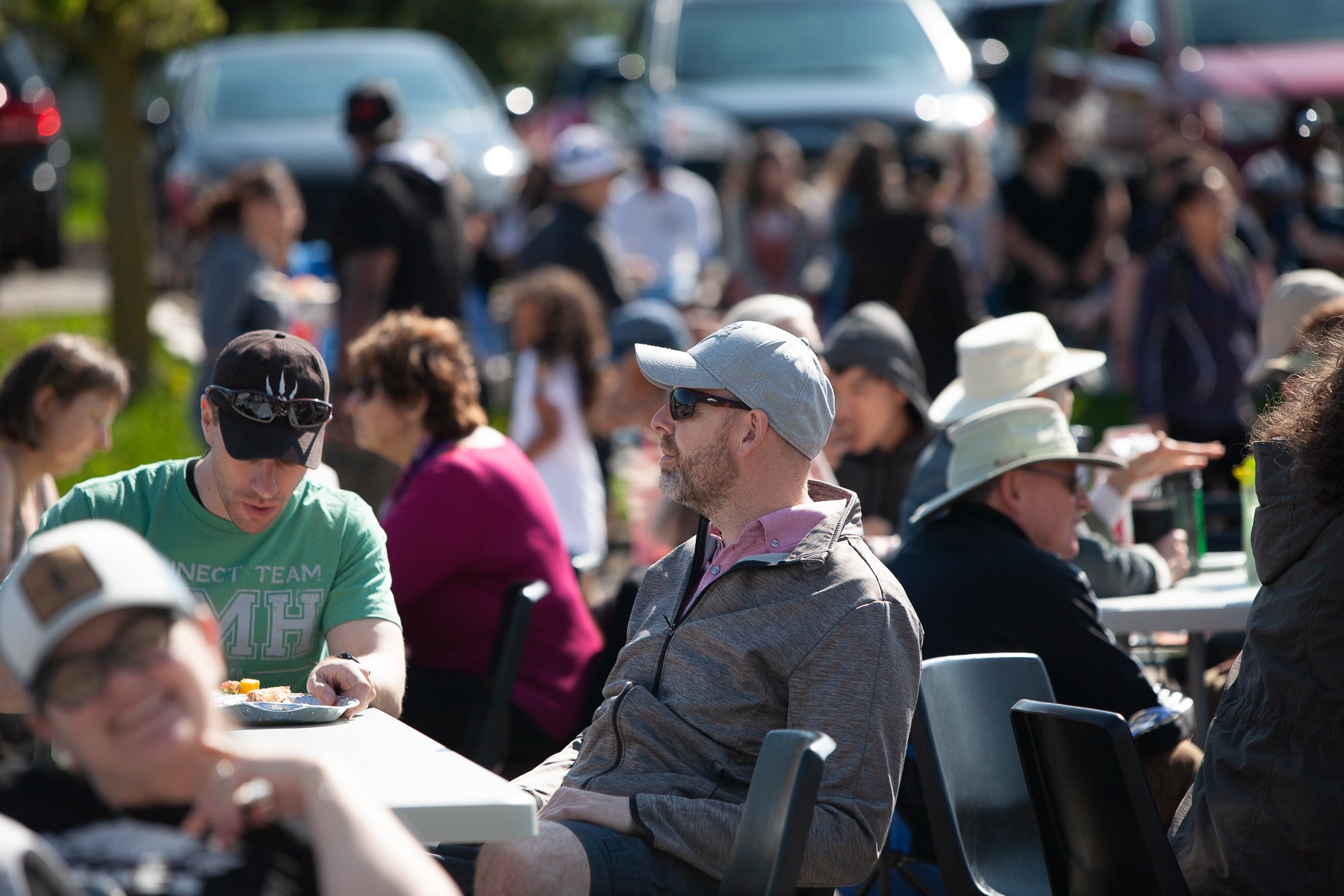
Community events are supposed to bring neighbors together. But let's be honest—most turn into awkward gatherings where people stand around eating lukewarm hot dogs, wondering when it's polite to leave.
Not this one.
When The DNA Project partnered with Oakville's community organizers for their annual family fun day, we didn't just provide background music. We created the soundtrack to a neighborhood celebration that had families dancing in the streets, kids running between activity zones with pure joy, and neighbors who'd never spoken before suddenly exchanging phone numbers.
This is what happens when community entertainment is done right.
Event Overview: Oakville Community Celebration
- Event Type: Community Family Fun Day
- Location: Oakville Community Park
- Attendance: 500+ community members (families, children, seniors)
- Duration: 4 hours (12 PM - 4 PM)
- Entertainment Provided: 6-piece live band with two vocalists, interactive music activities, family-friendly programming
- Weather: Beautiful sunny afternoon (perfect for outdoor celebration)
- Result: Overwhelmingly positive community response, requests for annual tradition
The Challenge: Making Community Events Actually Engaging
Here's what Oakville's event organizers told us during planning:
"Previous community events felt flat. People would show up, grab food, maybe play one game, then leave within 30 minutes. We wanted something that would keep families engaged for the full afternoon and create real community connections."
The challenge wasn't logistics—it was creating energy. Community events live or die based on atmosphere, and atmosphere comes from entertainment that actually engages people rather than just filling silence.
What Makes Community Entertainment Different from Other Events
Community events require a completely different approach than weddings, corporate gatherings, or private parties:
- Multi-generational audience: You're entertaining toddlers, teenagers, parents, and grandparents simultaneously
- Varying attention spans: People come and go throughout the event, so entertainment needs to work for both 5-minute and 2-hour attendees
- Family-friendly content: Every song, every interaction, every moment must be appropriate for all ages
- Interactive vs. passive: Communities want to participate, not just watch. Entertainment needs to invite engagement.
- Creating belonging: The goal isn't just fun—it's making neighbors feel connected to each other
Our Approach: Entertainment Zones + Interactive Programming
Instead of one DJ in one location playing background music, we created a multi-zone entertainment experience that gave families reasons to explore, engage, and interact:
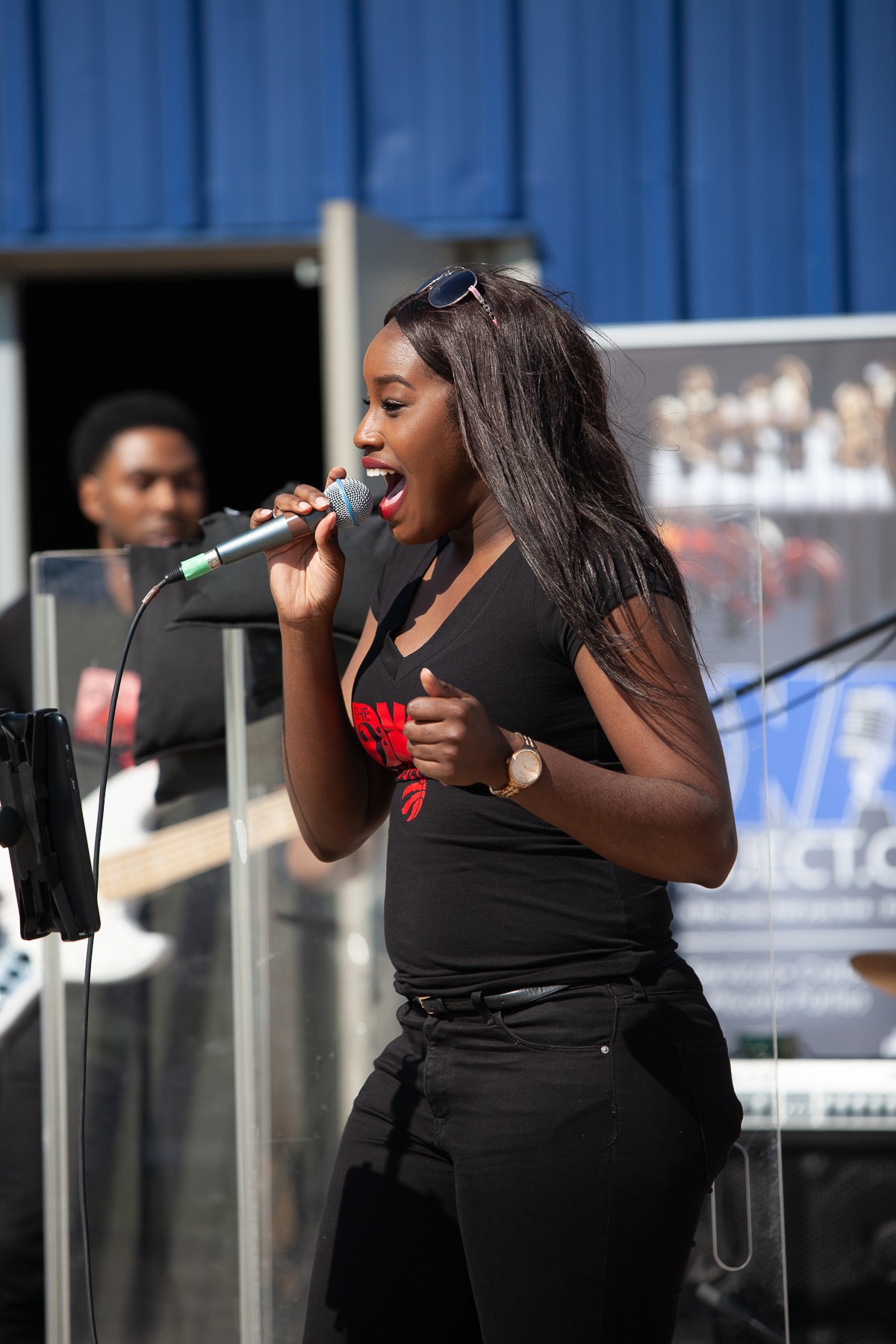
Zone 1: Main Stage - High-Energy Family Music
What we did: 6-piece live band with two vocalists performing family-friendly music, interactive callouts, and community engagement
The band configuration:
- Two lead vocalists (male and female for vocal variety)
- Guitar
- Bass
- Drums
- Keyboards
Programming highlights:
- Live performance energy: The difference between recorded music and a live band performing in front of you is electric—especially for kids who'd never seen a live band before
- Family dance sessions: Every 30 minutes, organized group dances (Cha Cha Slide, Cupid Shuffle, kid favorites)
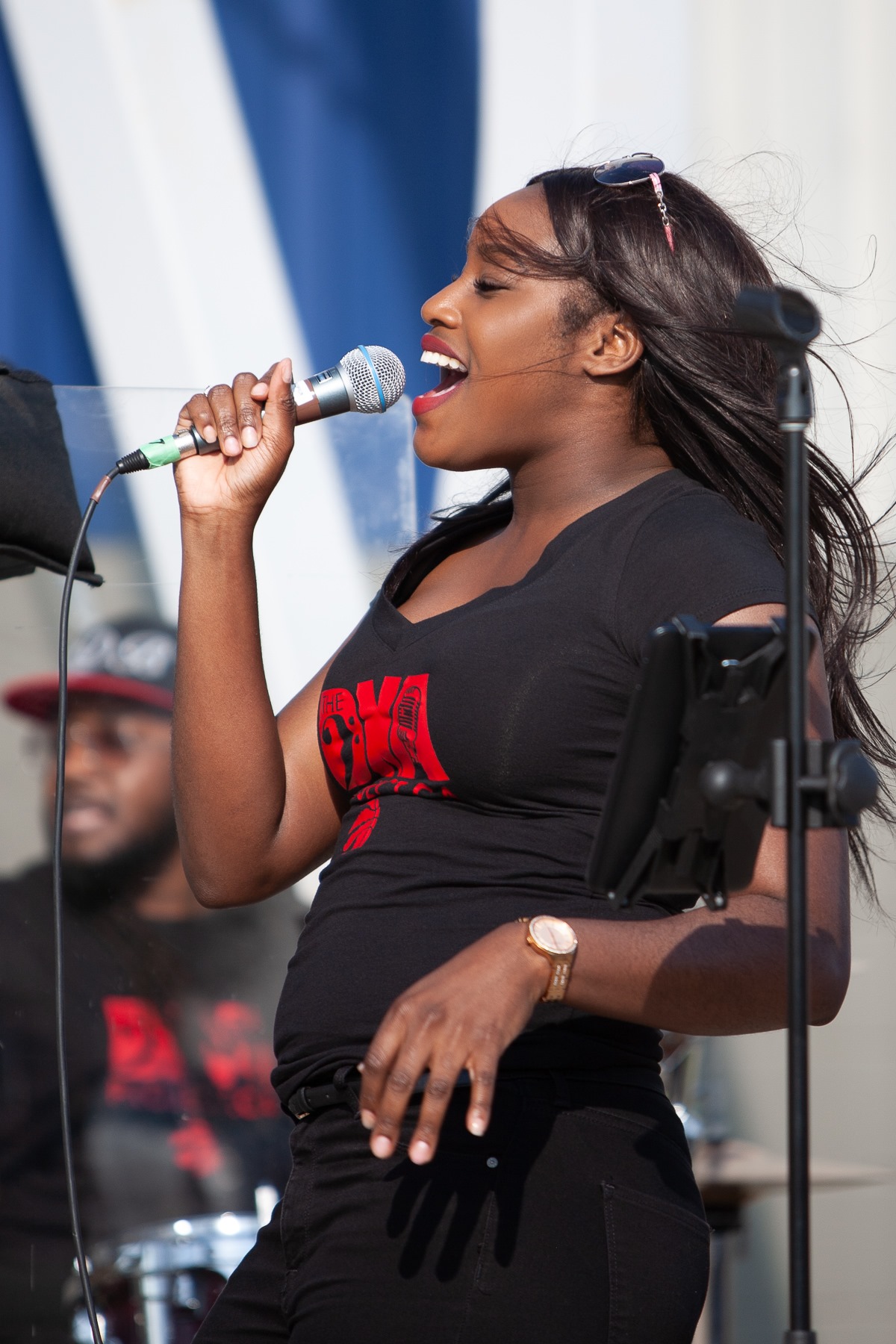
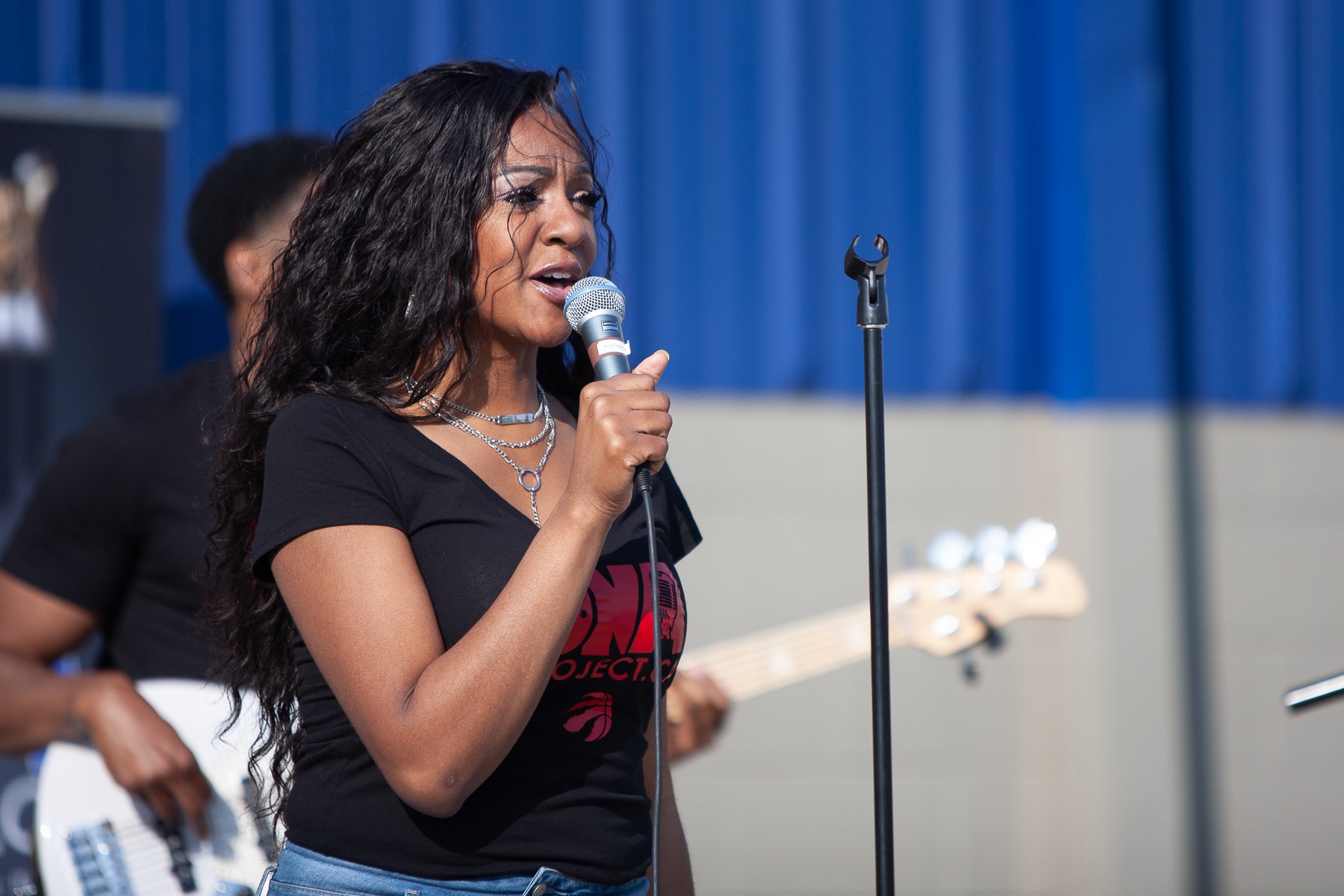
- Vocalist engagement: Singers interacted directly with crowd, invited kids on stage for certain songs, created personal connections
- Shout-outs and recognition: Celebrated birthdays, welcomed first-time attendees, recognized community volunteers
- Interactive requests: Kids could request songs (band's extensive repertoire meant they could accommodate most requests live)
- Energy management: High-energy dance blocks followed by calmer singalong periods (giving parents breaks)
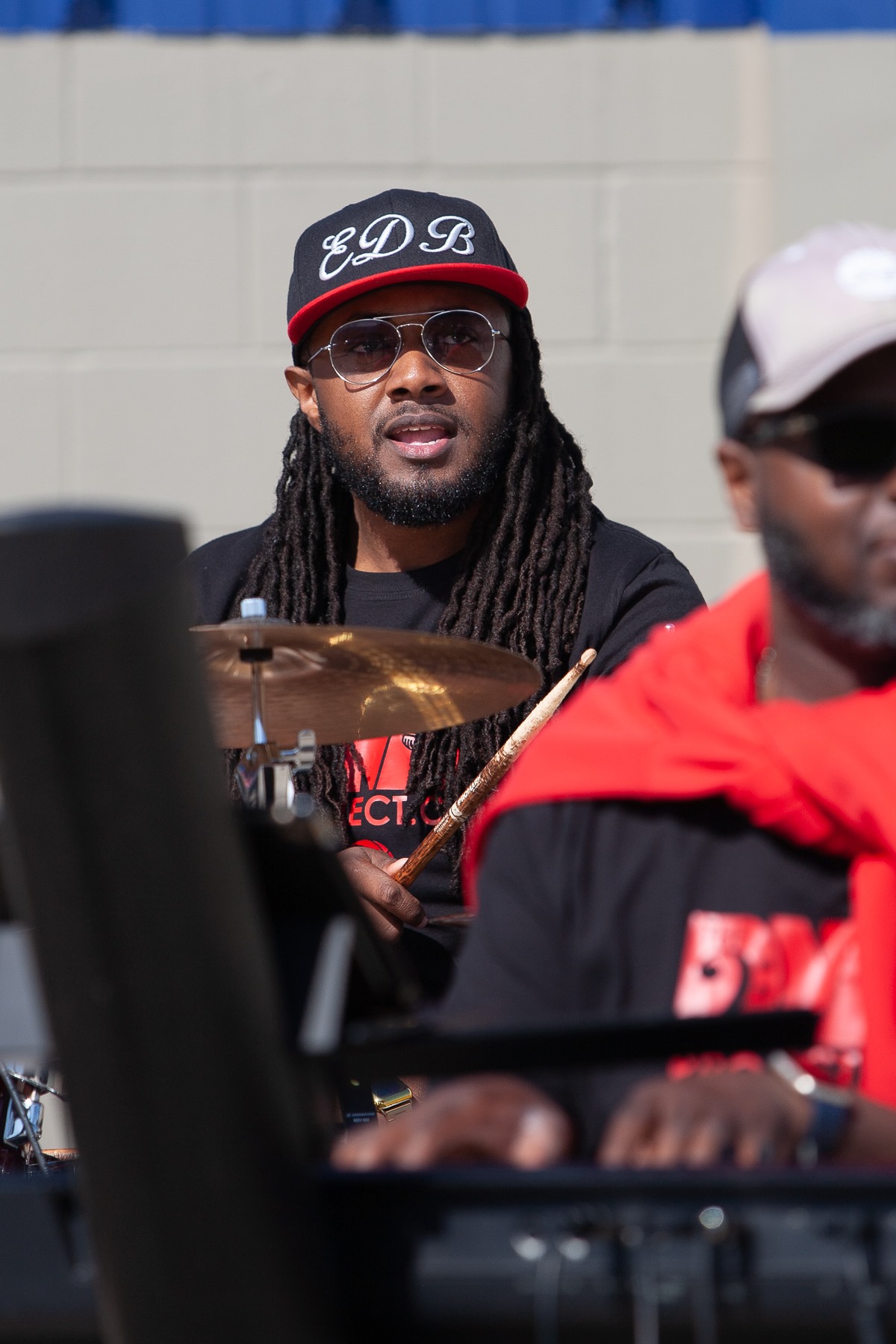
Why live band worked better than DJ: Parents told us later that seeing actual musicians performing—not just someone behind a laptop—made the event feel more special. Kids were mesmerized watching the drummer, guitarists, and singers. It elevated the entire celebration from "neighborhood gathering" to "professional event."
Why it worked: The main stage became the heartbeat of the event. Even families not actively dancing would gravitate toward it because the energy was magnetic. Live music has a way of drawing people in that recorded tracks simply can't match.
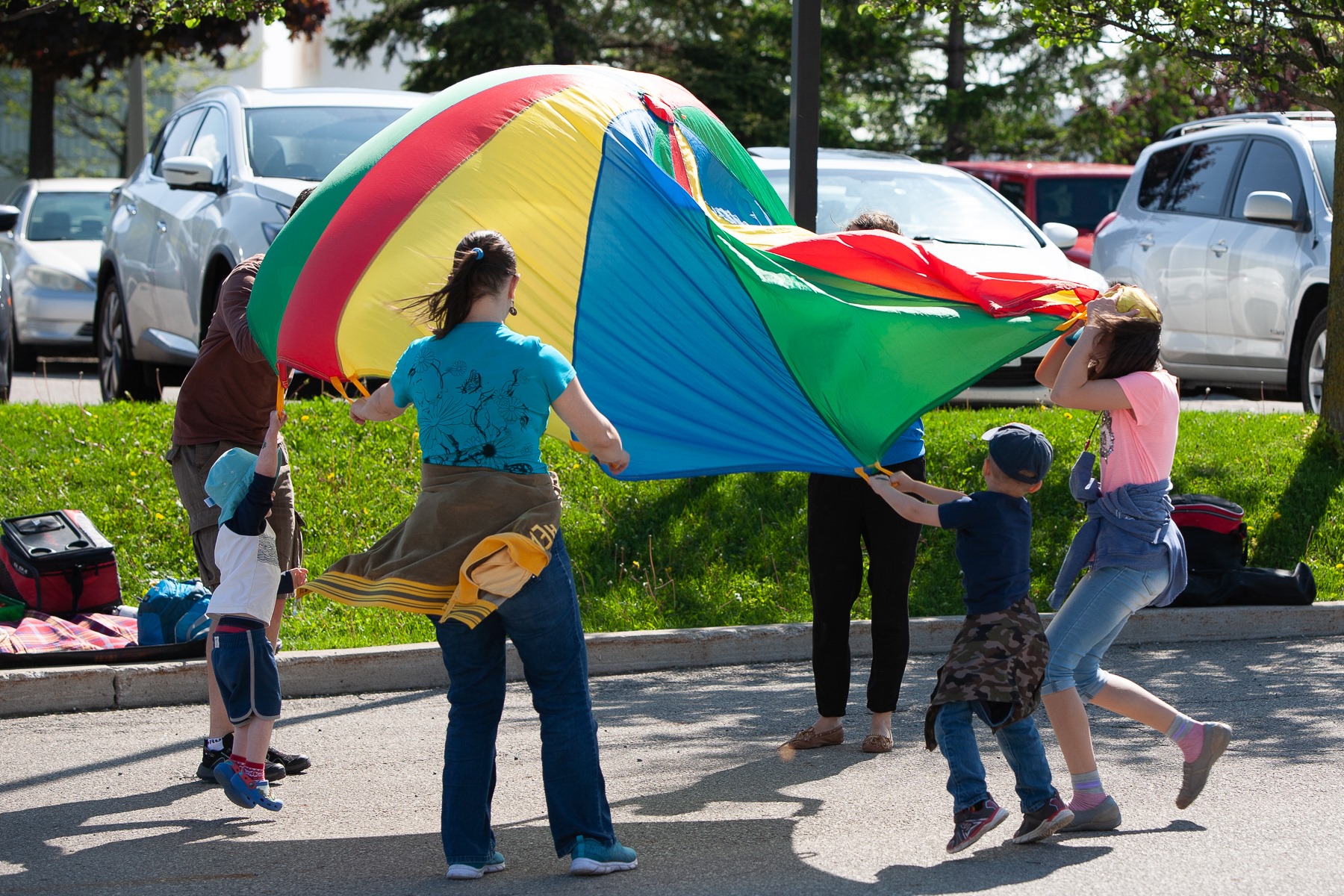
Zone 2: Kids Activity Area - Music + Games Integration
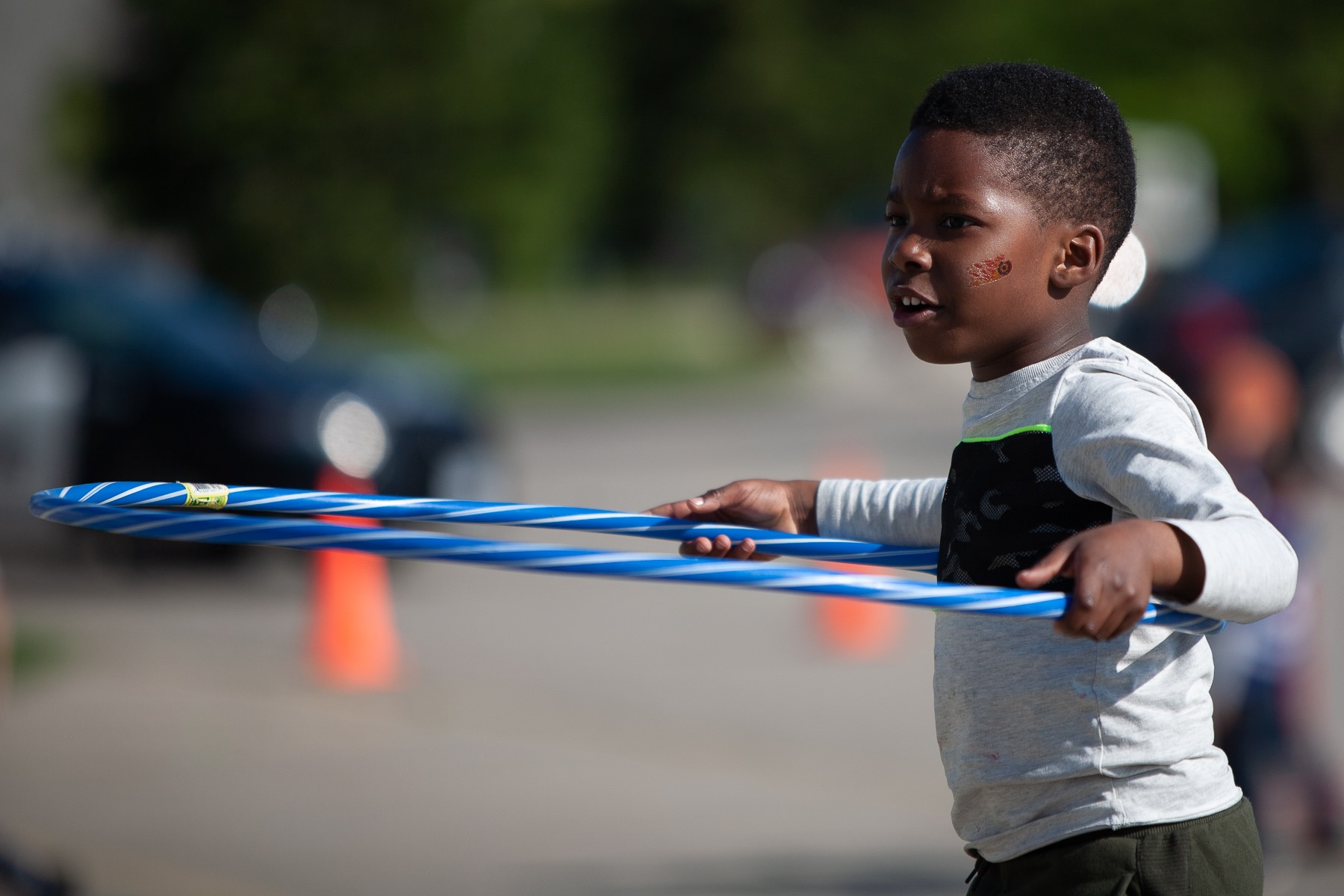
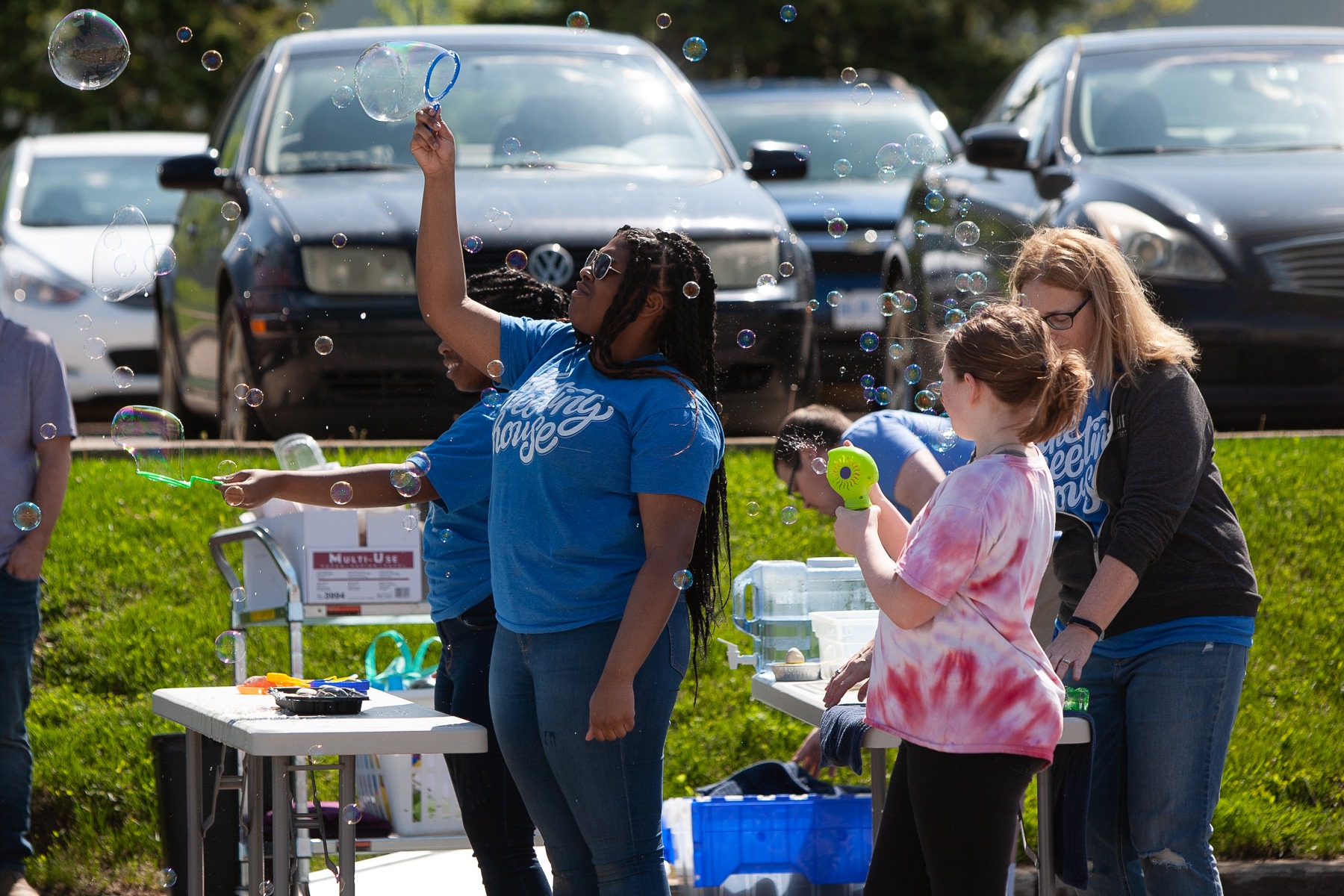
What we did: Coordinated music with activity stations—face painting, balloon animals, games
The strategy: Instead of music competing with activities, we made it complementary. Upbeat music during active games, calmer music during creative stations, specific songs that signaled activity rotations.
Parent feedback: "My kids normally get overstimulated at these events, but the way you managed the music energy helped them transition between activities smoothly."
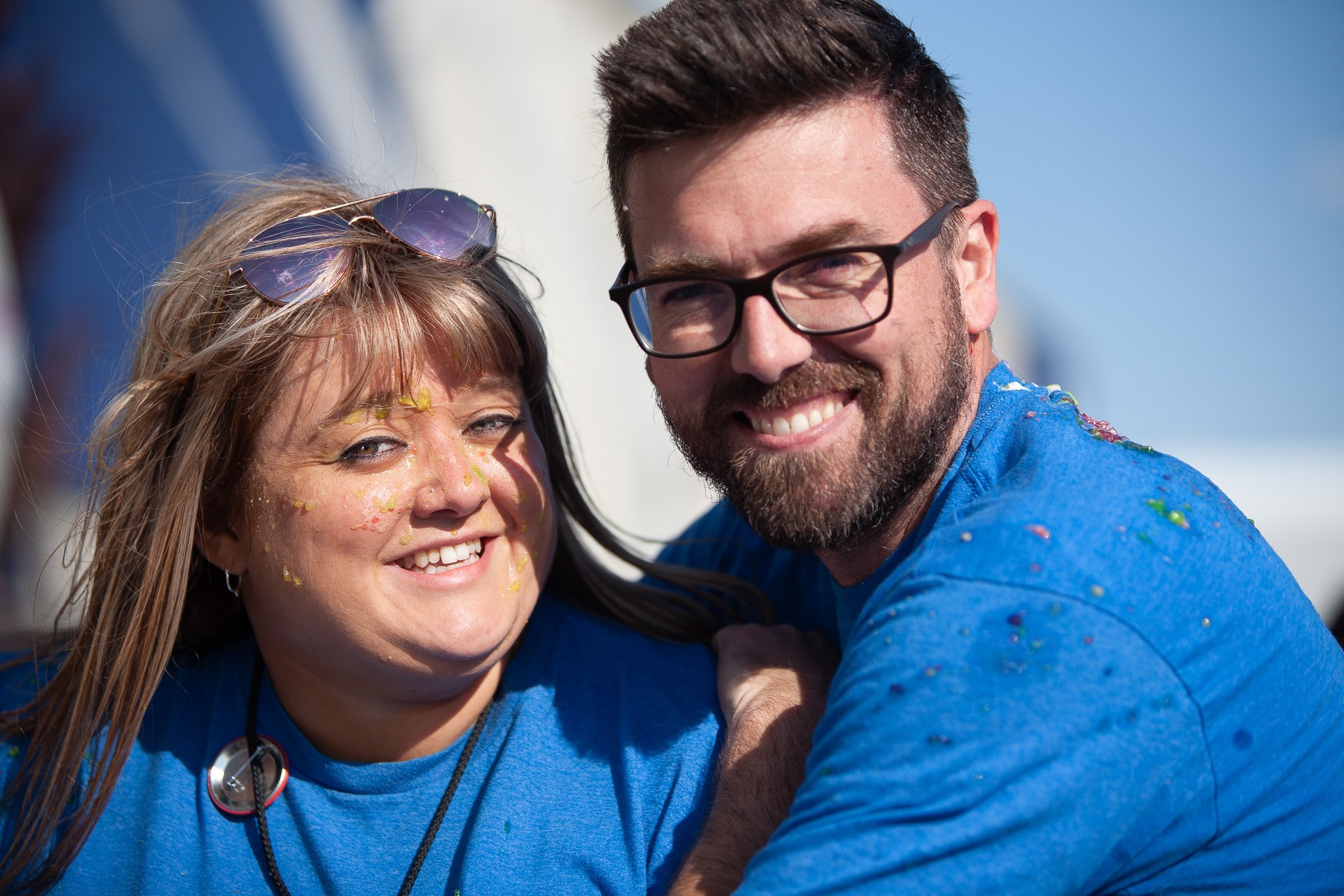
Zone 3: Chill-Out Areas - Community Connection Music
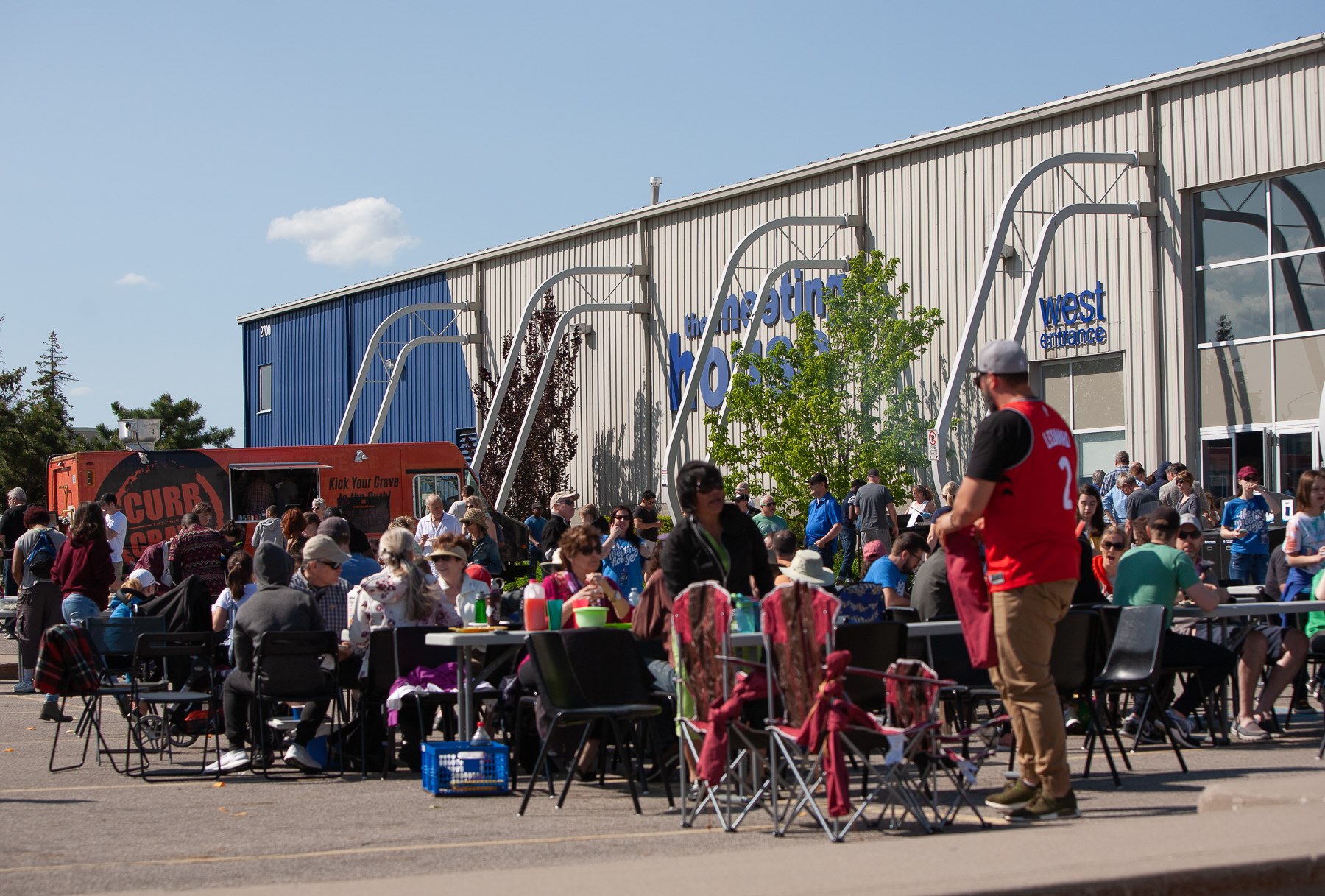
What we did: Softer acoustic-style music in seating areas where families could eat, chat, and rest
Why it matters: Not everyone wants high energy all the time. Creating spaces where conversation was possible—but still had pleasant background music—let neighbors actually connect.
The Music Selection Strategy for Community Events
Here's what our 6-piece band performed at the Oakville event—and why these choices matter for community entertainment Toronto and the GTA:
Note: Having a live band with two vocalists meant we could perform these songs with the energy and authenticity they deserve. Kids got to see REAL musicians playing instruments, which created magic that recorded music simply can't deliver.
Kid-Friendly Chart Toppers (40% of playlist)
Examples:
- "Can't Stop the Feeling" - Justin Timberlake
- "Happy" - Pharrell Williams
- "Shake It Off" - Taylor Swift
- "Uptown Funk" - Bruno Mars
- Disney soundtracks (Frozen, Moana, Encanto)
Why: Kids recognize these instantly, parents don't hate them, everyone can dance to them
Classic Family Dance Songs (30% of playlist)
Examples:
- "Cha Cha Slide" - DJ Casper (structured dance, everyone can follow)
- "Cupid Shuffle" - Cupid (line dance favorite)
- "Cotton Eye Joe" - Rednex (surprisingly popular with kids)
- "Macarena" - Los Del Rio (multi-generational recognition)
- "YMCA" - Village People (everyone knows the moves)
Why: These songs give people permission to dance—no skill required, just follow along
Nostalgia for Parents (20% of playlist)
Examples:
- "September" - Earth, Wind & Fire
- "I Wanna Dance with Somebody" - Whitney Houston
- "Don't Stop Believin'" - Journey
- "Sweet Caroline" - Neil Diamond (community singalong moment)
Why: Parents are the ones who decide how long to stay. Playing music they love keeps them engaged.
Current Hits (Clean Versions) (10% of playlist)
Why: Teenagers and tweens need to feel the event isn't "just for little kids." Clean versions of current chart toppers signal we're paying attention to all ages.
The "Sweet Caroline" Moment
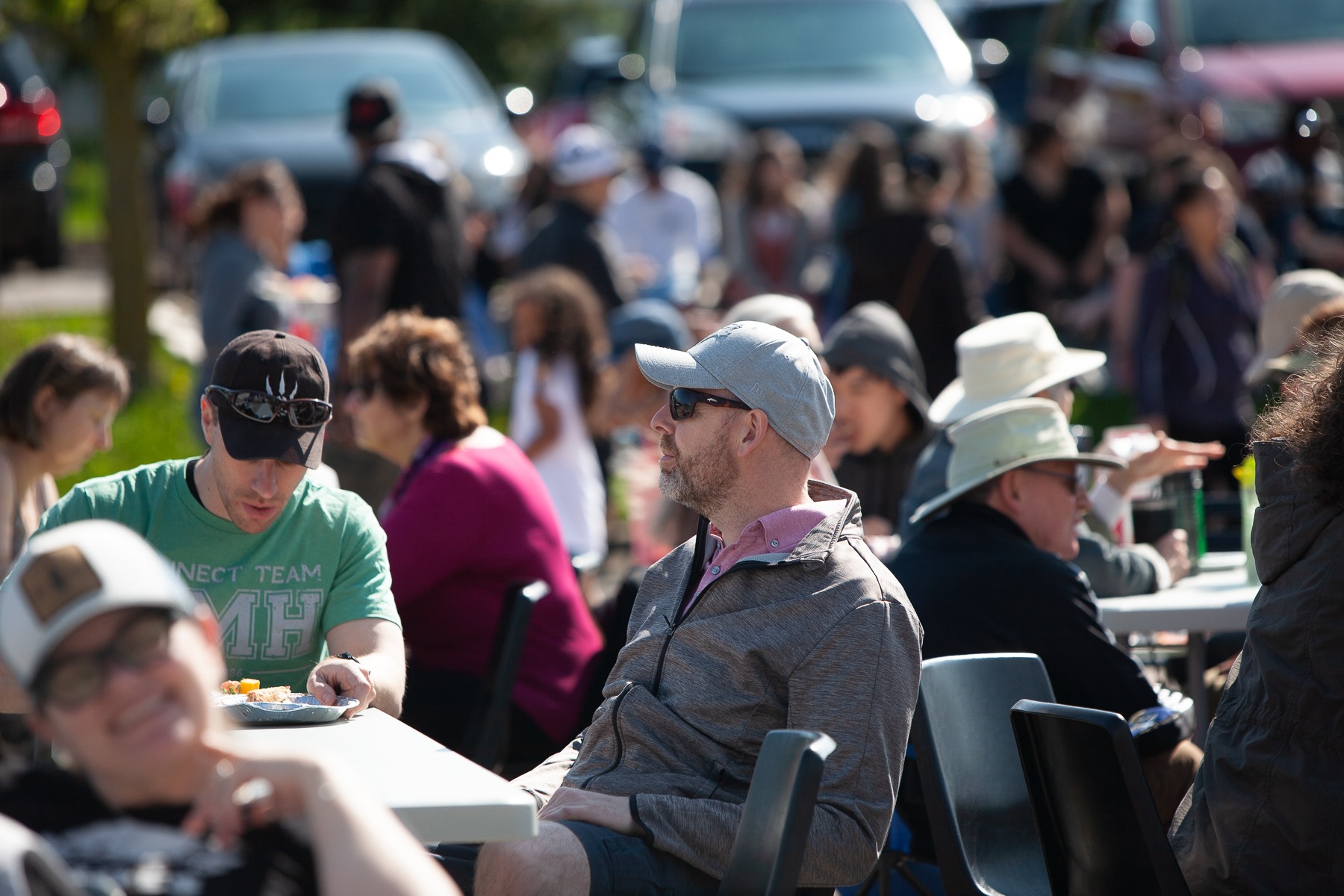
Halfway through the event, we played "Sweet Caroline." Within 30 seconds, 200+ people were singing "BA BA BA" together. Parents with babies, teenagers, seniors—everyone knew the words.
This is why we choose certain songs. It's not about "good music" vs. "bad music." It's about creating moments where a community feels unified.
One parent told us later: "I didn't know half the people around me, but we were all singing together and it just felt... good. Like we actually belonged to something."
Interactive Programming: Beyond Just Playing Music
The difference between good and great community event entertainment is interaction. Here's what we implemented:
Scheduled Dance Breaks (Every 30 Minutes)
12:30 PM: "Freeze Dance" (kids favorite—music stops, everyone freezes)
1:00 PM: "Cha Cha Slide" (structured line dance)
1:30 PM: "Limbo Contest" (music + physical activity)
2:00 PM: "Family Dance Circle" (spotlight on individual families)
2:30 PM: "Musical Chairs" (classic game, massive participation)
3:00 PM: "Cupid Shuffle" (cool-down structured dance)
3:30 PM: "Singalong Session" (Sweet Caroline, Don't Stop Believin', other crowd favorites)
Why scheduled programming works: People knew when to come back to the main area. Parents could say "Let's come back at 2:00 for the family dance circle" instead of wandering aimlessly.
Shout-Outs and Community Recognition
Throughout the event, we recognized:
- Birthday celebrations (kids AND adults)
- First-time event attendees
- Community volunteers who organized
- Families celebrating milestones
- Neighbors who brought friends from other areas
Why this matters: Recognition creates connection. When you hear your name over the speakers at a community event, you feel seen. You belong.
Request Integration (Within Guidelines)
We accepted song requests from kids and adults, with one rule: must be family-friendly and danceable.
This did two things:
- Gave attendees ownership of the event ("they played MY song!")
- Helped us gauge what the crowd actually wanted in real-time
The Results: What Success Looks Like for Community Events
From the Event Organizers:
"We've run this event for five years, and this was the first time people stayed for the entire duration. Previous years, we'd have maybe 100 people by hour three. This year, we had over 400 still there at 3:30 PM. The entertainment made all the difference."
Measurable Impact:
- 500+ attendees (up from 300 in previous years)
- Average stay time: 2.5 hours (up from 45 minutes previous years)
- 95% stayed through at least 2 activity rotations (vs. one-and-done in past)
- 80+ song requests from community members (high engagement indicator)
- Zero complaints about music volume or appropriateness (family-friendly success)
- Community organizers requested we return for 2027 event before 2026 event ended
Qualitative Feedback (What People Actually Said):
From parents:
- "My kids didn't want to leave. Usually they're done after 30 minutes."
- "I met three new families who live on my street. We've been neighbors for two years but never talked. The dance circle forced us to interact."
- "This was the first community event that felt like a REAL party, not just standing around."
From seniors:
- "I haven't danced in years, but that Sweet Caroline moment got me. Felt young again."
- "Nice to see my neighbors' kids having fun. The music wasn't too loud—I could still chat."
From teenagers (yes, they showed up):
- "Actually not boring. The DJ played some good stuff."
- "Limbo contest was low-key fun. Didn't think I'd participate but everyone else was doing it."
From event volunteers:
- "Way easier to manage when people are happy and engaged. Past events felt like herding cats."
- "The scheduled programming helped us time food service, activity rotations, everything."
What Makes Community Entertainment Different: Lessons Learned
After providing entertainment for corporate events, weddings, and now community celebrations, here's what we've learned about community event entertainment specifically:
1. You're Not Performing FOR the Community, You're Creating WITH Them
Weddings have a clear agenda (ceremony, dinner, dancing, exit). Corporate events have objectives (networking, brand building, employee morale).
Community events? The agenda IS the community. Entertainment succeeds when it facilitates connection, not just provides background.
Practical application: We didn't just play music. We created moments where neighbors had to interact—dance circles, group games, singalongs. Music was the catalyst, connection was the goal.
2. Energy Management Is Critical
Four hours is a long time for high energy. Families with young kids need breaks. Seniors need quieter moments. Teenagers get bored easily.
Solution: We programmed energy waves—high-energy dance sessions followed by calmer interactive periods. This let people engage at their own pace without feeling left out.
3. Family-Friendly Doesn't Mean Boring
The biggest misconception about community entertainment: it has to be bland to be appropriate.
False.
What we proved: You can play current hits, maintain energy, keep it exciting—all while being appropriate for all ages. It's about song selection and reading the room.
4. Participation > Performance
Nobody wants to watch a DJ perform at a community event. They want to BE part of the experience.
How we implemented this:
- Freeze dance involved everyone, not just kids
- Family dance circle put spotlight on attendees, not entertainer
- Singalongs required participation
- Request system gave ownership to community
5. Weather and Logistics Matter More Than You Think
Outdoor community events face unique challenges:
- Sound carries differently outdoors: Volume management critical (loud enough to energize, not so loud you can't talk)
- Sun and shade affect participation: We positioned entertainment zones considering where families would naturally gather based on sun position
- Equipment protection: Outdoor setup requires weather-resistant equipment, backup power, and contingency plans
- Community noise considerations: Even outdoor events need to respect neighboring residents not attending
Behind the Scenes: Community Event Entertainment Setup
Here's what goes into professional community entertainment Toronto that most people don't see:
Pre-Event Planning (3 Weeks Out)
- Site visit: We visited the park to assess power access, ideal speaker positioning, activity zone layout
- Community demographic research: Oakville has specific age demographics, cultural considerations, and family structures we needed to understand
- Activity coordination: Worked with event organizers to sync music programming with food service, games, and announcements
- Playlist development: Created 6-hour playlist (4-hour event + 2 hours buffer) with intentional energy waves
- Backup planning: Weather contingencies, equipment redundancy, alternative programming if low attendance
Day-Of Logistics
- Setup time: 2 hours before event start (professional sound requires proper setup, testing, adjustment)
- Equipment manifest: DJ controller, 4 powered speakers for coverage, wireless microphone for announcements, backup equipment for everything critical
- Sound check at multiple zones: Ensured volume was appropriate at main stage, activity areas, AND chill zones
- Real-time adjustments: As crowd grew, we adjusted speaker positioning and volume to accommodate
During Event (Things We Managed)
- Energy reading: Constantly assessed crowd energy to know when to amp up vs. cool down
- Family flow management: Noticed when certain zones got too crowded, used music to redistribute people
- Request management: Took 80+ requests, played about 30 (had to balance individual requests with overall flow)
- Timing coordination: Worked with organizers via headset for food service announcements, activity timing, safety messages
- Engagement monitoring: If participation dropped, we'd launch an interactive activity to re-energize crowd
Community Event Entertainment Pricing & Investment
Event organizers always ask: "How much does community entertainment cost?"
Here's honest pricing for community event entertainment Toronto and GTA:
Live Band Entertainment for Community Events
- 4-piece band (2-3 hours): $2,500-3,500 (smaller community gatherings)
- 6-piece band (4-5 hours, like Oakville event): $4,500-6,500 (includes professional sound, two vocalists, interactive programming, multi-zone coverage)
- 8+ piece band (full day, 6+ hours): $6,500-9,000 (larger community festivals, extensive setup)
DJ Entertainment for Community Events (More Budget-Friendly Option)
- 2-3 hours: $800-1,500 (smaller gatherings, basic setup)
- 4-5 hours: $1,500-2,500 (includes professional sound, interactive programming, multi-zone coverage)
- Full day (6+ hours): $2,500-4,000 (larger community festivals, extensive setup)
Why Live Band vs. DJ?
The Oakville organizers chose a 6-piece live band because:
- They wanted to make the event feel special and professional (live music signals "we invested in this")
- Visual impact: Kids seeing real musicians perform creates lasting memories
- Vocalist engagement: Singers can interact with crowd in ways DJs can't
- Authenticity: Live performance of familiar songs creates emotional connection
- Community pride: "Our neighborhood hired a real band" elevates the entire event
Budget consideration: DJ entertainment works wonderfully for community events and costs 50-60% less. The choice depends on your budget and event goals. Both can create amazing experiences—live bands just add that extra "wow" factor.
What's Included:
- Professional DJ with community event experience
- Complete sound system (sized for expected attendance + outdoor acoustics)
- Wireless microphone for announcements
- Curated family-friendly playlists
- Interactive programming (games, dances, activities)
- Coordination with event organizers
- Setup/breakdown (typically 2 hours each)
- Equipment insurance and backup
Additional Options (Typical Add-Ons):
- Live musician integration: Add acoustic guitarist or vocalist for certain portions (+$500-900)
- Extended coverage zones: Additional speakers for large park areas (+$300-600)
- Lighting (for evening events): Stage lighting, dance floor lighting (+$400-800)
- Photo booth coordination: Sync music with photo booth activities (+$200)
Community Event Entertainment ROI
What Oakville organizers told us:
"We budgeted $2,000 for entertainment. Some committee members thought it was too much for 'just a DJ.' After the event, everyone agreed it was the best money we spent. Attendance was up 67%, people stayed twice as long, and we're already getting requests for next year. That $2,000 investment created an event people actually wanted to attend."
How to Book Community Entertainment for Your Neighborhood Event
If you're organizing a community event in Toronto, Oakville, Mississauga, or the GTA, here's how to work with The DNA Project:
Step 1: Free Consultation (30-45 Minutes)
We discuss:
- Your community demographics (age ranges, cultural considerations, family structures)
- Event goals (connection? fun? celebrating milestone?)
- Venue specifics (park, community center, street closure, indoor/outdoor)
- Budget parameters
- Timeline and coordination needs
Step 2: Custom Entertainment Proposal
Based on consultation, we create:
- Recommended entertainment setup (equipment, coverage, zones)
- Programming outline (interactive activities, music style, energy management)
- Timeline coordination (sync with food, activities, announcements)
- Transparent pricing breakdown
- Backup plans (weather, low attendance scenarios)
Step 3: Pre-Event Planning
- Site visit: We assess your venue in person
- Playlist collaboration: You provide cultural considerations, special requests, must-avoid songs
- Activity coordination: We sync with your schedule of events
- Volunteer briefing: We meet with your team to ensure everyone knows the plan
Step 4: Day-Of Execution
- Early arrival for setup and testing
- Real-time coordination with organizers
- Professional entertainment delivery
- Breakdown and site cleanup
Step 5: Post-Event Follow-Up
- Feedback collection
- Photo/video sharing (for your community promotion)
- Planning for next year (if applicable)
Planning a Community Event in Toronto or the GTA?
Let's create an experience your neighborhood will talk about for months.
Free consultation includes:
- Custom entertainment recommendations for your community
- Budget-friendly options that don't sacrifice quality
- Interactive programming that engages all ages
- Logistics support and venue coordination
- No pressure—just honest guidance on what your event needs
The DNA Project
Community Entertainment Specialists - Toronto & GTA
📧 [email protected]
📱 905-497-3621
🌐 www.thednaproject.ca
Serving: Toronto, Oakville, Mississauga, Burlington, Milton, Hamilton, Vaughan, Markham, Richmond Hill, and surrounding GTA communities
Why Community Events Matter (And Why We Love Doing Them)
The DNA Project built our business on weddings and corporate events. They're our bread and butter. They pay the bills.
But community events? They remind us why we got into this business in the first place.
At a wedding, we create magic for two people and their guests. At a corporate event, we build team morale and brand experience.
At a community event, we help neighbors remember why living in a community matters.
In an era of social isolation, screen addiction, and "we don't talk to neighbors anymore," community events are one of the few remaining spaces where people can just... be together.
And when we can use music, entertainment, and our expertise to facilitate that connection? That's not just a job. That's meaningful work.
The Oakville Impact (What We Heard Weeks Later)
A month after the event, one of the organizers sent us this message:
"Just wanted to let you know—three families who met at the event have started a weekly playdate rotation for their kids. Two neighbors who discovered they both love running now go together every morning. And our community Facebook group has been more active in the past month than the entire previous year. People keep posting 'Remember when...' stories from the event.
You didn't just provide entertainment for four hours. You gave our community a reason to actually BE a community again. Thank you."
This is why community entertainment matters.
Community Events We'd Love to Bring to Life
Looking for inspiration for your neighborhood? Here are community event ideas we'd love to help create:
Seasonal Community Celebrations
- Summer Block Parties: Street closures, outdoor dance floors, BBQ soundtrack
- Fall Harvest Festivals: Family activities, hayrides, autumn-themed music programming
- Winter Holiday Celebrations: Tree lightings, caroling, warm beverage socials
- Spring Kick-Off Events: Welcome-back-to-outdoors celebrations
Cultural & Heritage Celebrations
- Canada Day Festivities: Patriotic music, community pride programming
- Multicultural Festivals: Celebrating community diversity through music
- Heritage Month Events: Music that honors various cultural backgrounds
Family-Focused Events
- Family Fun Days (like Oakville event)
- Movie Nights in the Park: Pre-movie entertainment, intermission activities
- Community Fitness Events: Yoga in the park with music, fun runs with DJ zones
- Educational Festivals: Science fairs, art shows, book festivals with complementary entertainment
Fundraising & Charity Events
- Walkathons/Runathons: Energizing music at start/finish, motivation zones
- Charity Galas (Community Scale): Affordable but impactful entertainment
- Auction Events: Background music that doesn't compete with bidding
Final Thoughts: What Community Entertainment Should Accomplish
The Oakville event taught us (reminded us, really) what great community entertainment actually accomplishes:
- It creates belonging: People feel like they're part of something bigger
- It facilitates connection: Neighbors meet, kids make friends, seniors feel included
- It builds memories: Families talk about it for weeks afterward
- It strengthens community identity: "This is what we do here, this is who we are"
- It makes people want to come back: Next year's event is anticipated, not obligatory
Entertainment isn't just background noise. When done right, it's the thread that weaves a group of individuals into an actual community.
That's what we do. That's why we love community events. And that's why we'd love to help your neighborhood create something special.
Ready to Plan Your Community Event?
Let's talk about what we can create together.
Free consultation, zero pressure, just honest conversation about what your community needs and how entertainment can help deliver it.
📧 [email protected] | 📱 905-497-3621 | 🌐 www.thednaproject.ca
The DNA Project: Bringing Toronto and GTA communities together through unforgettable entertainment experiences since 2014.
REAL WEDDINGS & EVENTS
This is the inaugural post in our monthly "Real Weddings & Events" series, published the last Friday of every month. Each post takes you behind the scenes



.jpg)