



Planning a holiday gathering can feel overwhelming—whether it's an intimate dinner party, a corporate celebration, or the family extravaganza you've been dreading since July. The good news? Great entertaining isn't about perfection. It's about creating moments that matter.
After 11+ years of helping Toronto hosts create memorable events, we've learned that the difference between an okay party and an unforgettable one often comes down to surprisingly small details. Consider this your A-Z roadmap to holiday entertaining success—practical wisdom you can apply whether you're hosting 8 people or 800.
The Foundation: What Really Matters
Before we dive into the alphabet, let's establish something crucial: your guests won't remember if the napkins matched the tablecloth. They'll remember how they felt. Did they laugh? Connect with someone new? Feel welcomed and comfortable? That's what sticks.
With that perspective, let's explore the ABC's of making it happen.
Instagram has convinced us that parties need to look like magazine spreads. Reality check: nobody is having fun at a party where the host is stressed about perfectly arranged charcuterie boards. Atmosphere beats aesthetics every single time.
Create atmosphere through lighting (dim overhead lights, add candles), music (start 30 minutes before guests arrive), and temperature (slightly cooler than comfortable—bodies heat rooms fast). Your $2 string lights from the hardware store create better ambiance than your $200 centerpiece ever will.
Here's what rookie hosts do: they plan for guests to arrive at 7 PM and time everything to be ready at 7 PM. Here's what happens: someone arrives at 6:40, nothing is ready, and you spend the evening playing catch-up while stress-sweating through your fancy outfit.
Build in 30-45 minutes of buffer time. Finish your prep, take a shower, pour yourself a drink, and actually enjoy the doorbell ringing. That calm, welcoming host energy? It sets the tone for everything that follows.

Ever been to a party where everyone stands in awkward clusters talking to people they already know? That's a hosting failure, not a guest failure. Your job is to facilitate connection.
Introduce people with conversation starters: "Sarah, meet Tom—he just got back from Thailand where I know you're planning to visit next month." Give them something to talk about. Place interesting conversation starters around your space. Create activities that force interaction (holiday trivia, a guess-the-carol music game, even just a really good board game on the coffee table).
The days of serving only turkey and hoping for the best are over. Ask about dietary restrictions when you invite people, and actually accommodate them. Nothing makes someone feel more excluded than showing up to a party where they can't eat anything.
Pro tip: Label your dishes clearly. Not everyone feels comfortable asking what's in something. Small tent cards that say "contains nuts" or "vegan" show thoughtfulness and prevent awkward conversations.
🎉 Fun Fact
Studies show that people remember events with live music 3x more vividly than events without. Something about live performance creates stronger emotional encoding in memory. Even just one musician playing in the corner outperforms the best Spotify playlist in terms of creating lasting impressions.
The first 20 minutes of your party determine everything. If early arrivers are standing awkwardly while you're still cooking and the music hasn't started and nobody knows where to put their coats, you're starting in a hole.
Create early wins: Music playing when the first guest arrives. A signature cocktail ready to pour. A place to put coats and bags that doesn't require asking. An appetizer that's already out. These small details signal "the host has this under control" and let everyone relax.
Think about how people will move through your space. Where will they enter? Where will coats go? Where's the bar? Where's the food? Where can people sit and chat? Where will they dance if things get lively?
Bad flow creates awkward clustering and bottlenecks. Good flow feels invisible—people naturally circulate, mingle, and find comfortable spots. Walk through your space with a critical eye before guests arrive.
Pinterest has created a generation of hosts who think they need to hand-make everything from scratch. Here's permission you've been waiting for: nobody cares if you bought the cookies. Nobody is judging your store-bought appetizers. Use your limited time and energy on things that actually matter—like being present and relaxed with your guests.
Strategic outsourcing isn't cheating. It's smart hosting. Buy the dessert. Order the appetizer platter. Hire the bartender. Your guests would rather have a relaxed, happy host than homemade centerpieces.
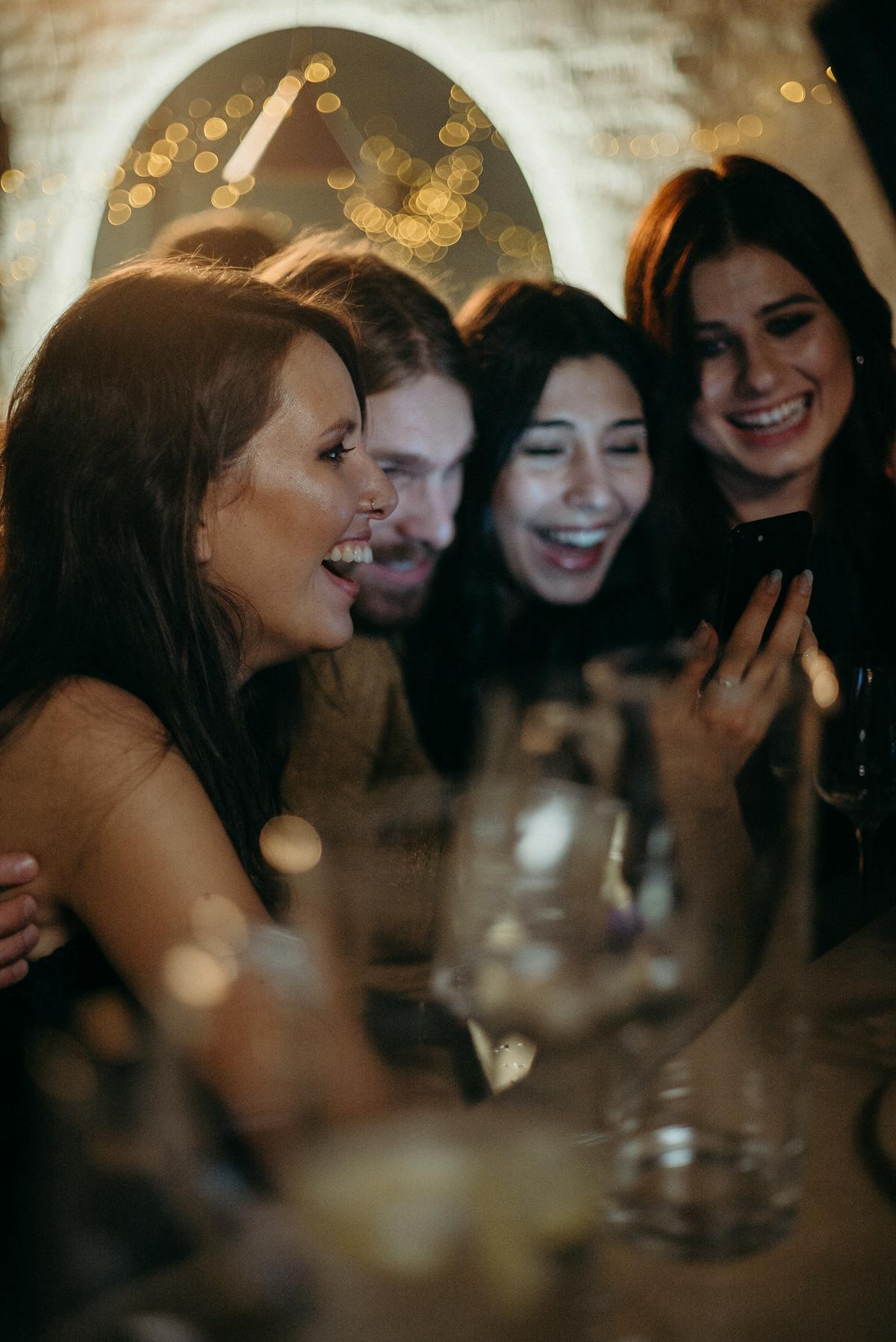
The best hosts aren't the ones with the fanciest food or the biggest budgets. They're the ones who make every guest feel genuinely welcomed and valued. That's a mindset, not a menu.
Greet everyone personally. Introduce people thoughtfully. Notice who's standing alone and bring them into conversation. Check in with quieter guests. Thank people for coming—specifically and genuinely. These tiny acts of attentiveness create the feeling that transforms a gathering into an experience.
Two types of ice matter at parties: the frozen kind for drinks, and the metaphorical kind for conversations. Run out of either, and your party suffers.
For frozen ice: you need way more than you think. Triple your estimate. For conversational ice: have a few reliable icebreakers ready. "What's been the highlight of your year?" works better than "What do you do?" at holiday gatherings. People are tired of work talk—give them permission to be interesting instead.
Murphy's Law is especially active during holiday parties. Hope for the best, plan for the realistic. Keep backup supplies: extra wine, easy appetizers you can pull from the freezer, spare phone chargers, stain remover, pain relievers, and Band-Aids.
The goal isn't to be paranoid—it's to handle the inevitable small crisis without stress. When you're prepared, you stay calm. When you stay calm, your guests stay comfortable.
💡 The 80/20 Rule of Party Planning
80% of your party's success comes from 20% of your decisions. Focus obsessively on: atmosphere/music, food/drink quality (not quantity), and how you make guests feel. Everything else is bonus. Stop agonizing over napkin colors and invest that energy in creating genuine warmth and connection.
There's a reason professional hosts don't serve anything that requires last-minute kitchen heroics. If you're cooking during your own party, you're missing your own party. Choose dishes you can prepare ahead, keep warm easily, or serve at room temperature.
The exception: if your kitchen is your party hub and you genuinely enjoy cooking with people around. But even then, make it interactive—let guests help, make it casual, turn cooking into entertainment rather than obligation.
Want to know the easiest way to make any space feel special? Change the lighting. Overhead fluorescent lights are the enemy of ambiance. Dim them. Add candles. String lights. Table lamps. Create layers of warm, soft lighting.
This single change makes people look better (everyone loves flattering lighting), feel more relaxed (bright lights keep us alert, dim lights help us unwind), and perceive the event as more special. It's practically magic for about $20 in candles.
Music isn't background filler—it's the emotional soundtrack of your event. The right music makes people stay longer, talk more freely, and remember your party more fondly. The wrong music (or worse, no music) creates uncomfortable silence or kills conversation.
Start softer than you think you should. You can always turn it up as the night progresses and people loosen up. Volume should allow conversation without shouting—if people are leaning in to hear each other, it's too loud. For holiday gatherings, mix familiar classics with unexpected finds. Everyone knows "All I Want for Christmas Is You"—surprise them with something fresh too.

Stop apologizing for your home, your food, or your hosting skills. Every time you apologize, you invite guests to notice flaws they probably wouldn't have otherwise seen. "Sorry the house is such a mess" makes everyone start looking for mess. "Sorry dinner isn't fancy" makes everyone judge the meal more critically.
Confidence is contagious. If you act like everything is exactly as you intended, your guests will believe you. And honestly? They're probably too busy having fun to notice that the pie is store-bought or that you forgot to dust the baseboards.
There's a paradox in entertaining: the more prepared you are, the less stressed you feel. The less stressed you feel, the better host you are. But over-preparing can also create stress if you're attempting too many complicated things.
The sweet spot: Prepare abundant simple things rather than scarce complicated things. Three crowd-pleasing appetizers you can make with your eyes closed beats one Instagram-worthy centerpiece dish that requires your complete attention.
Nothing starts a party on the wrong foot like guests circling for parking, confused about which entrance to use, or standing in -10°C weather because nobody told them about the side door. Anticipate and communicate the practical stuff.
Send clear directions. Mention parking options. If street parking is tight, suggest nearby lots. If there's a tricky entrance or buzzer situation, explain it. These details seem boring but they're the difference between guests arriving frazzled or arriving ready to celebrate.
Three amazing dishes beat eight mediocre ones. Two really good wines beat six cheap ones. Twenty engaged guests beat fifty obligatory invites. Quality over quantity isn't just a cliché—it's the secret to events that feel special rather than sprawling.
This principle applies to everything: focus your energy and budget on fewer, better things. Your guests will appreciate thoughtfully chosen elements way more than abundant mediocrity.
This seems basic, but it's consistently overlooked: your party space will get hot. Human bodies generate heat. Activity generates heat. If the room feels comfortable when empty, it'll be stifling when full.
Set your thermostat 2-3 degrees cooler than normal. Open a window (even in winter). In Toronto December events, that slightly-too-cool temperature you find uncomfortable at 5 PM will be perfect by 7 PM when the room fills up. Your guests will thank you—nothing kills party energy faster than everyone being uncomfortably warm.
Running a full bar sounds impressive but creates chaos. Here's an easier approach: offer one signature cocktail, wine, beer, and non-alcoholic options. Done. You've just cut your drink stress by 80% while actually adding personality to your event.
Make the signature drink in a big batch ahead of time. Give it a festive name. Put the recipe card next to it. Guests love the thoughtfulness, and you avoid playing bartender all night. Pro tip: always have interesting non-alcoholic options beyond pop and juice. Sparkling water with fresh fruit, fancy lemonade, or non-alcoholic cocktails make non-drinking guests feel included rather than awkward.
Every party has a rhythm. Great hosts orchestrate the timing so it feels effortless. Food arrives when people are ready to eat, not so early that it's cold or so late that everyone's hangry. Music energy builds gradually. Activities happen when energy is high, not when everyone's settled into conversations.
Rough timeline for a typical 3-hour holiday gathering: First hour is arrivals, mingling, appetizers, and drinks. Second hour is dinner or main food service plus peak socializing. Third hour is dessert, winding down, but still engaging for those who linger. Plan your hosting energy accordingly—be most present during arrivals, then you can relax once momentum builds.
🎊 Interesting Psychology
Researchers found that guests remember the first 20 minutes and last 20 minutes of events most vividly. The middle can actually be a bit fuzzy in their memory. This is why strong arrivals (warm welcome, music, first drink, initial conversations) and strong endings (proper goodbyes, maybe a small parting gift, sending people off well) create lasting positive impressions—even if the middle was somewhat chaotic.
The events people remember aren't always the most expensive or elaborate—they're the ones with unexpected delightful touches. One surprising element can define your entire party.
Maybe it's a hot chocolate bar with unusual toppings. Maybe it's carolers who show up for 15 minutes. Maybe it's a photo booth corner with fun props. Maybe it's homemade Irish cream as a parting gift. These unexpected moments create the "remember when..." stories that last for years.
Even great parties can stagnate. Build in natural transitions and variety throughout the evening. Don't let one activity or conversational setup last too long. Shift from mingling to sitting. From appetizers to dinner. From background music to maybe a toast or game or special moment.
These transitions re-energize the room and give guests who were feeling socially maxed out a chance to reset. They also create the feeling that the evening is moving and building rather than static.
Because you should be, right? But stress can make us forget. Stop what you're doing when someone arrives. Make eye contact. Greet them warmly. Take their coat. Offer them a drink. Make them feel expected and wanted.
This 60-second investment in each arrival shapes their entire experience. Guests who feel genuinely welcomed from the moment they walk in relax faster, engage more authentically, and enjoy themselves more. Guests who feel like they interrupted something you were doing never fully settle in.
Here's the truth: your energy is contagious. If you're stressed, your guests feel it. If you're genuinely having fun, they feel that too. The X-factor that makes some parties magical and others merely fine is usually the host's energy.
This is why all that prep and planning matters—not for perfection, but so you can actually be present and relaxed enough to enjoy your own event. Your guests are taking emotional cues from you. Be the energy you want in the room.
Hosting doesn't mean doing everything yourself. People actually enjoy contributing to events—you just have to let them. When someone offers to bring something, say yes. When you're overwhelmed, ask your closest friend to help answer the door or refill drinks or chat up the awkward guest.
This isn't weakness—it's wisdom. Solo hosting is exhausting and often unnecessary. Community makes better parties. Plus, giving guests small roles actually increases their engagement and enjoyment. Everyone likes feeling useful.
When you're stressed about the stupid napkins at 3 AM three days before your party, come back to this: You're gathering people you care about to create connection, joy, and memory during a special time of year. That's it. That's the whole point.
The napkins don't matter. The Pinterest-perfect tablescape doesn't matter. What matters is people feeling welcomed, connected, and celebrated. Keep that North Star in mind, and all the small stuff falls into proper perspective.
The holidays are already stressful enough. Don't let hosting add to that stress—let it be the antidote. The chance to create warmth and joy and connection in a world that sometimes feels short on all three.
The Real Secret
Here's what we've learned after helping with hundreds of Toronto holiday events: The parties people remember aren't perfect. They're authentic. They're gatherings where the host was actually present rather than stressed. Where people felt genuinely welcome. Where something unexpected happened—planned or not.
You don't need the biggest budget or the fanciest venue or the most elaborate menu. You need intention, preparation (so you can relax), and genuine care for creating an experience that matters.
🎁 Your Holiday Entertaining Gift
Here's the permission you've been waiting for: You don't have to do all 26 of these things. Read through, pick 5-7 that resonate with your specific event and stress points, and focus on those. The ABC's aren't a checklist—they're a buffet. Take what serves you and leave the rest.
Most importantly: enjoy your own party. If you're not having fun, your guests won't either. All this planning and preparation should serve one purpose—freeing you up to actually be present and enjoy the gathering you've created.
The holidays are short. The chances to gather people we care about are precious. Make it count. And if the napkins don't match? Nobody worth hosting will notice.
One Final Thought
If you only remember one thing from this alphabetically organized novel, make it this: hospitality is about people, not perfection. The best gift you can give your guests isn't an Instagram-worthy event—it's your genuine presence and the space to connect with others.
Everything else in this guide just makes that easier to pull off. But if you show up with warmth, intention, and actual joy at gathering people together? You've already nailed 90% of great hosting.
The rest is just details. Delightful, helpful details—but details nonetheless.
Now go create some holiday magic. 🎄
About The DNA Project: For 11+ years, we've helped Toronto hosts create gatherings that people actually remember—not because they were perfect, but because they mattered. Whether you need full-service entertainment planning or just want advice on making your holiday gathering more memorable, we're here to help. Because at the end of the day, we're not just in the entertainment business—we're in the memory-making business.
Need help with any aspect of your holiday gathering? From entertainment to logistics to just bouncing ideas around, reach out at info@theDNAproject.ca. Sometimes an outside perspective makes all the difference.


.jpg)